
Seasonal
Financial
Planning
Most people manage money reactively — scrambling when bills arrive, guessing at year-end. We built something different: a workshop platform that teaches you to read the calendar before the calendar reads your bank account.
Cork, Ireland — est. 2024
Where the idea started

Cork has a particular rhythm to it — tourist season, school year, the quiet weeks after Christmas. A financial educator named Brigid Ó Murchadha noticed that her students kept hitting the same walls at the same times of year: summer cash flow gaps, autumn insurance renewals, the January squeeze. The problem was not ignorance of money. It was that generic budgeting advice ignores the calendar entirely.
She spent several months mapping those pressure points against spending data from workshop participants. What emerged was a curriculum structured around the Irish seasonal cycle rather than abstract financial theory. Workshops that teach you what to do in October are fundamentally different from workshops that teach you what money is — and far more useful to someone sitting in Mahon trying to figure out December.
The platform launched with one clear constraint: every lesson had to answer a question someone would actually ask on a specific week of the year — not someday, not in general.
That constraint turned out to be the right one. Participants who completed the autumn planning module reported feeling noticeably more prepared heading into winter — not because the content was revolutionary, but because it arrived at the moment it was relevant. Timing, it turns out, is most of the work.
Measured in specifics, not claims
Each quarter has its own curriculum — winter planning differs structurally from summer cash flow management, not just in examples but in the skills it builds.
Exercises use real Irish cost benchmarks — ESB rates, childcare costs, local transport figures — so the numbers participants work with reflect actual decisions.
Small cohort sizes keep sessions focused. Participants ask questions about their specific situations rather than sitting through answers to problems they do not have.
Cork-specific framing means examples reference real local costs, regional employment patterns, and the actual timing of expenses that Cork residents face each year.
The person behind the curriculum
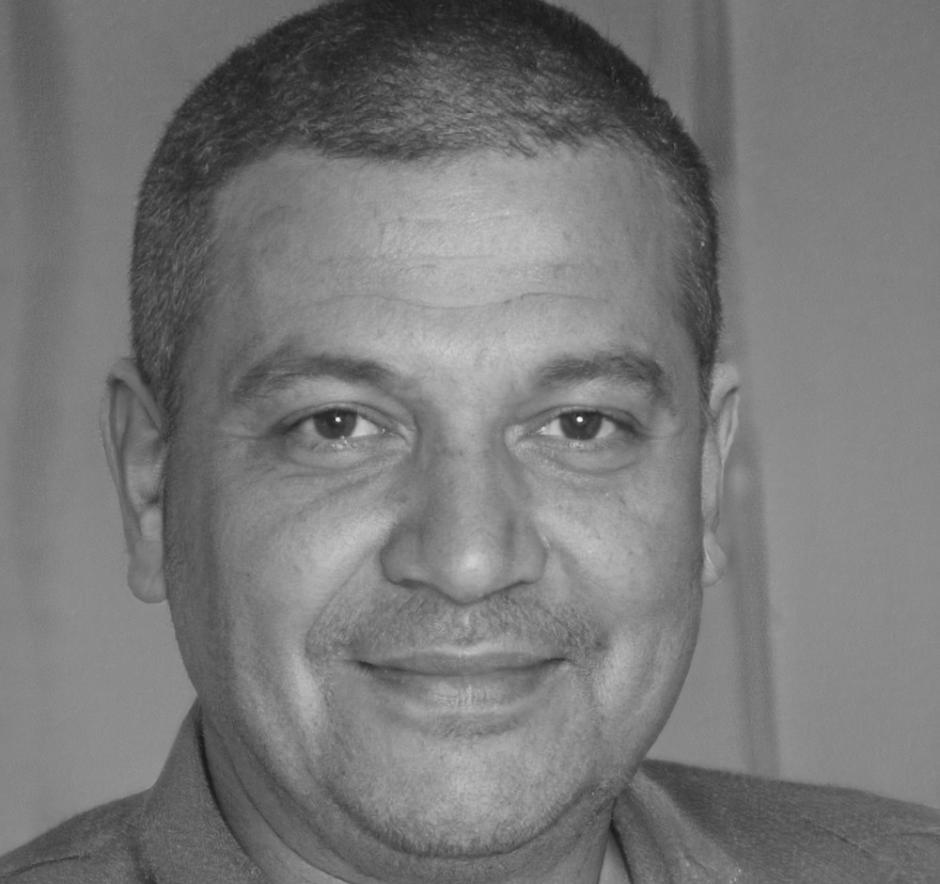
Ciarán Devereaux
Ciarán spent eight years working in personal finance advisory before concluding that one-to-one advice does not scale to the people who need it most. He designed the Gocukee workshop structure to carry the specificity of a personal session without requiring one — each participant works through scenarios calibrated to their own situation rather than a hypothetical average household.
His approach draws on adult learning research that suggests people retain skills better when they practise under realistic conditions rather than study abstract frameworks. The workshop exercises are built around decisions participants are likely to face within 90 days of completing a module — close enough to feel urgent, far enough to allow preparation.